ISO 13918 Weld Studs: Frequently Asked Questions (FAQ) | Complete Buying Guide
ISO 13918 Weld Studs FAQ: Everything You Need to Know
When selecting weld studs for steel construction, bridges, power plants, or composite flooring systems, many engineers and buyers encounter the ISO 13918 standard.
What exactly does ISO 13918 cover? How is it different from other stud standards? Which materials and dimensions are available?
This FAQ answers the most common questions from international buyers.
Q1. What is ISO 13918?//www.beijingjinzhaobo.com/welding-stud.html
ISO 13918 is the international standard for arc welding studs and ceramic ferrules.
It specifies:
-
Stud types
-
Dimensions
-
Materials
-
Mechanical properties
-
Manufacturing requirements
-
Inspection
-
Marking
The standard covers both weld studs and the ceramic ferrules used during arc stud welding. ISO 13918:2017 remains the current edition and was confirmed as current in 2025.
Q2. What are ISO 13918 weld studs used for?
ISO 13918 weld studs are widely used in:
-
Steel structures
-
Composite steel decks
-
Bridges
-
High-rise buildings
-
Offshore platforms
-
Industrial plants
-
Shipbuilding
-
Power stations
The most common application is connecting steel beams with concrete slabs to create composite structures.
Q3. What is the most common ISO 13918 stud type?
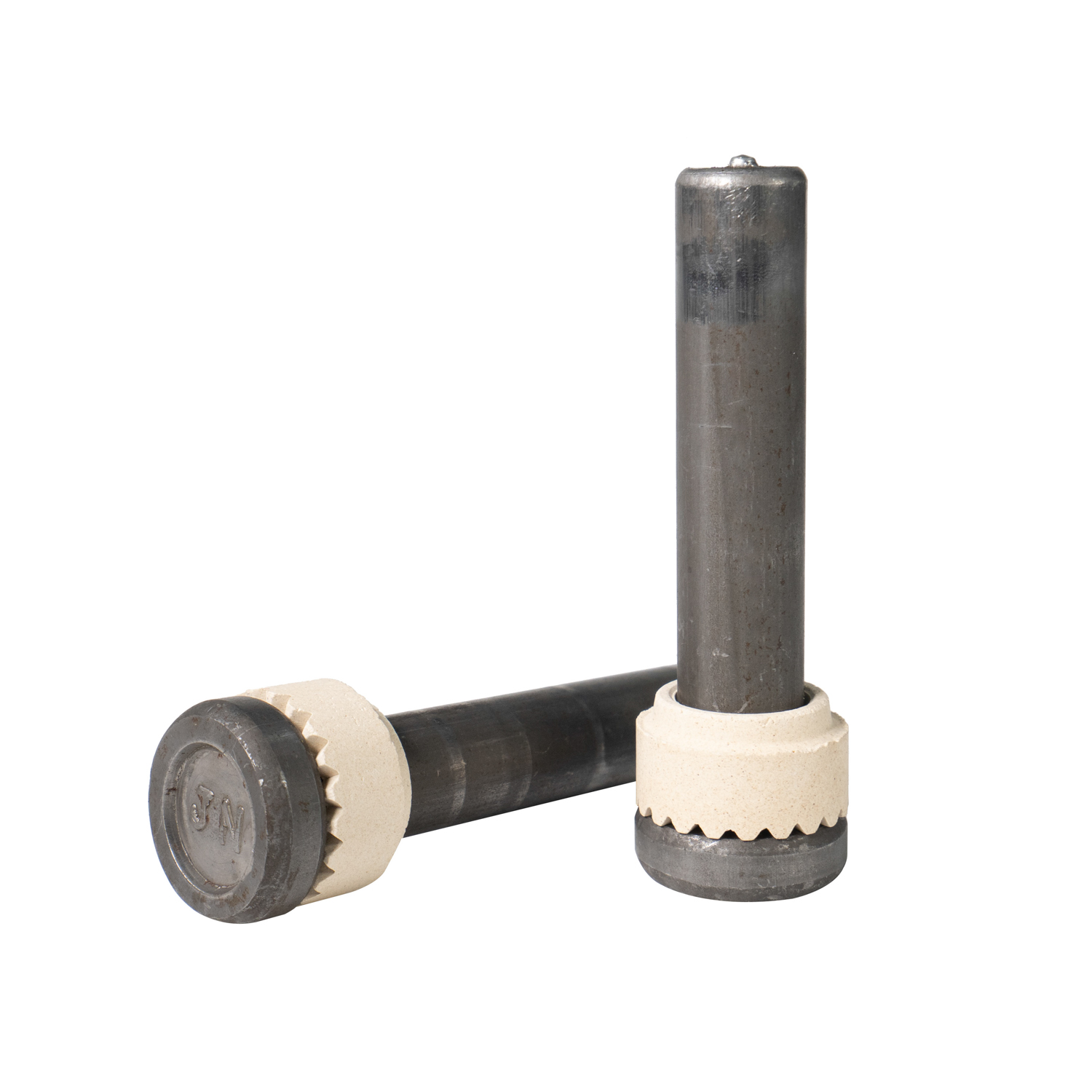
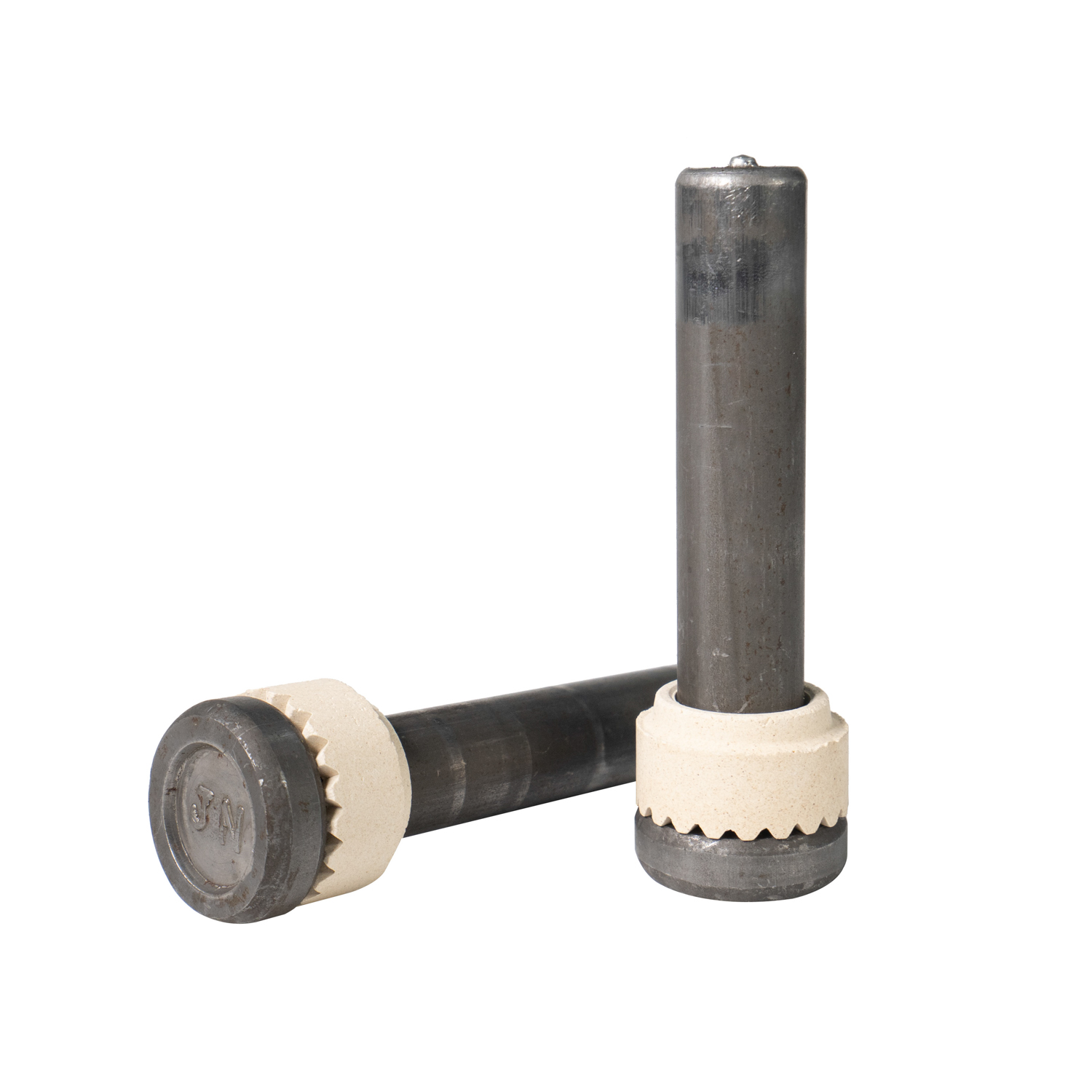
The most widely used product is the Shear Connector Stud (SD type).
Typical sizes include:
-
M13
-
M16
-
M19
-
M22
-
M25
The most popular diameter worldwide is 19 mm.
Lengths generally range from 50 mm to 250 mm, depending on deck thickness and project design.
Q4. Which materials are commonly used?
Typical materials include:
-
Low carbon steel
-
Cold drawn steel
-
Special alloy steel (upon request)
Many manufacturers supply studs with a tensile strength around 450 MPa, suitable for structural applications.
Q5. Are ISO 13918 weld studs galvanized?
Normally, No.
Most shear connector studs are supplied with a plain finish because:
-
The welding process burns away coatings.
-
Bare steel provides better welding quality.
-
Hot-dip galvanized studs are generally not recommended unless a special welding procedure is specified.
Q6. How are ISO 13918 studs welded?
They are installed using Drawn Arc Stud Welding.
The process includes:
-
Position the stud.
-
Place the ceramic ferrule.
-
Create an electric arc.
-
Melt both the stud base and steel plate.
-
Press the stud into the molten pool.
-
Allow the weld to solidify.
A complete weld usually takes less than one second.
Q7. Why is a ceramic ferrule required?
The ceramic ferrule performs several important functions:
-
Forms the weld pool
-
Prevents molten metal from splashing
-
Improves weld shape
-
Protects the molten metal
-
Produces consistent weld quality
Without the correct ferrule, welding quality may decrease significantly.
Q8. What inspections are performed?
Typical quality inspections include:
-
Visual inspection
-
Dimension inspection
-
Bend test
-
Tensile testing
-
Welding performance verification
-
Material certification
Many projects also require Mill Test Certificates (MTC) and third-party inspection.
Q9. What information should be provided when ordering?
To receive an accurate quotation, customers should specify:
-
Stud type
-
Diameter
-
Length
-
Material
-
Quantity
-
Standard (ISO 13918)
-
Surface finish
-
Required certificates
-
Packaging requirements
Example:
Shear Connector Stud
ISO 13918 SD
19 × 100 mm
Plain Finish
Quantity: 50,000 pcs
Q10. How do ISO 13918 studs differ from threaded studs?
ISO 13918 includes several stud designs.
Shear connector studs are designed for structural composite action, while threaded weld studs are mainly used for:
-
Equipment fastening
-
Electrical cabinets
-
Automotive components
-
Industrial machinery
Different stud types serve different engineering purposes, so selecting the correct type is essential.
Why Choose a Professional ISO 13918 Weld Stud Manufacturer?
A reliable manufacturer can provide:
-
Stable welding performance
-
Precise dimensions
-
Consistent mechanical properties
-
Strict quality control
-
Fast delivery
-
OEM and customized packaging
-
International export experience
Whether your project is a bridge, stadium, warehouse, or industrial plant, selecting high-quality ISO 13918 weld studs helps ensure structural safety and long-term reliability.
Need a quotation?
Contact our sales team with your drawing or specifications. We will recommend the most suitable ISO 13918 weld studs and provide a competitive quotation within 24 hours.
Weathering Steel Bolts – FAQ
High-Strength Bolt Surface Treatments: Choosing the Right Coating for Performance and Corrosion Protection
Related Article